Onco:Innovate Europe 2026 Highlights the Need for Stronger Oncology Ecosystems
21/05/2026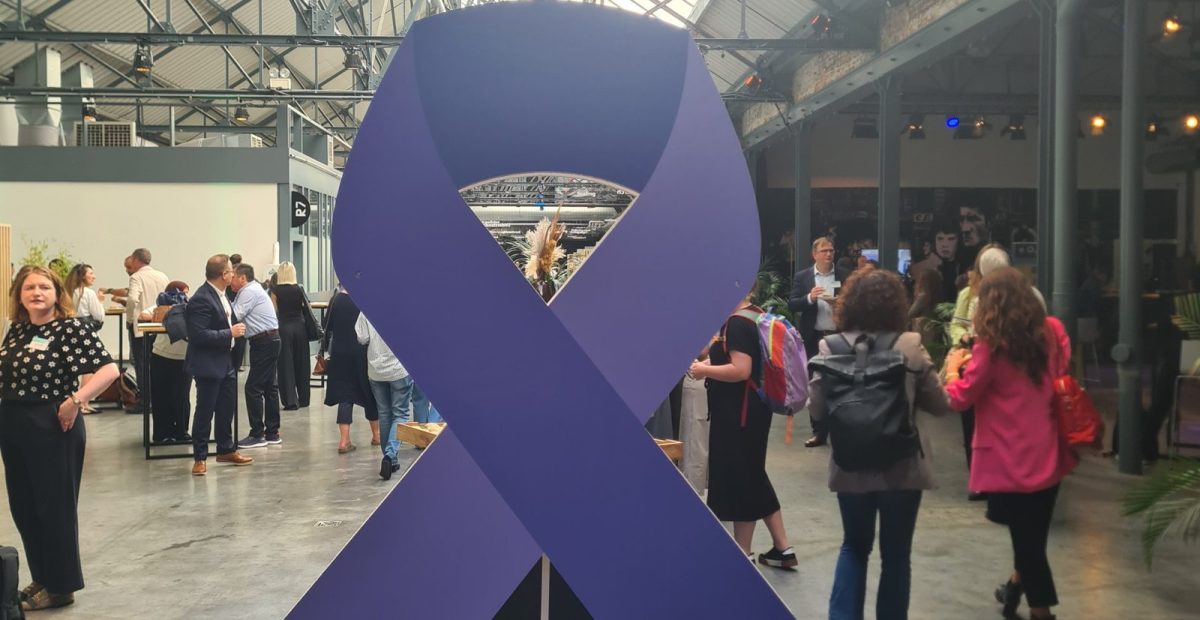
How can Europe turn cancer research and innovation into sustainable solutions that deliver meaningful benefits for patients?
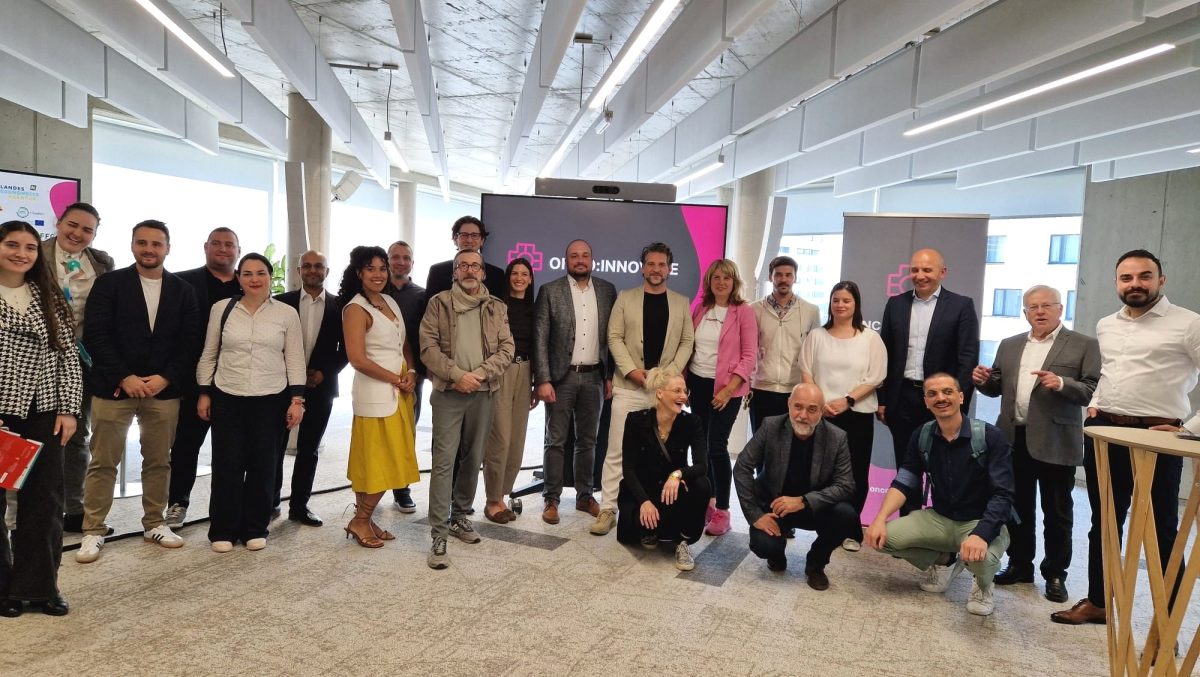
From 29 September to 1 October 2026, Onco:Innovate was pleased to participate in the 5 Years EU Cancer Mission: Stronger Through Connection conference in Brussels, Belgium.
The event brought together stakeholders from across Europe and beyond to reflect on progress towards the EU Cancer Mission’s 2030 goals and explore how collaboration can accelerate advances in cancer prevention, research, diagnosis, treatment, and care.
For Onco:Innovate, the conference was also an opportunity to reflect on a fundamental question: how can we ensure that the outcomes of publicly funded research translate into lasting value for patients, healthcare systems, and society?
Reflecting on progress — and opportunities for improvement
Europe’s cancer research and innovation landscape brings together a wealth of expertise, ambitious projects, and collaborative initiatives. However, scientific progress alone does not guarantee that innovations will reach the people who need them.
Our discussions with stakeholders during the conference highlighted several important questions for the future of European research and innovation.
1. Project sustainability: What happens after funding ends?
Research projects can generate valuable knowledge, technologies, intellectual property (IP), and new approaches to cancer care. Yet, when a project reaches its official conclusion, questions often remain about how these results will be maintained, developed further, and translated into practical applications.
How can project results and intellectual property continue to create value beyond the funding period? And how can consortia establish sustainable pathways for promising innovations from the outset?
Sustainability should be considered throughout a project’s lifecycle, rather than addressed only as the funding period comes to an end.
2. Project impact: Are we maximising the value of our project portfolios?
Some organisations manage more than 20 research projects simultaneously, yet only a fraction may generate sustainable results beyond the funding period. How can we increase the proportion of projects that translate their outputs into lasting impact and real-world value?
Improving project efficiency and focusing on measurable, sustainable outcomes is essential to strengthening competitiveness and maximising the return on research investment.
3. Funding efficiency: Are resources being used where they can have the greatest impact?
Public funding plays a crucial role in advancing cancer research and supporting collaboration across Europe. At the same time, it is important to consider how funding can be used most effectively to maximise the value of research investments.
How can funding programmes better support promising innovations beyond initial research? How can projects build on existing results, avoid unnecessary duplication, and create opportunities for further development and implementation?
These questions invite continued dialogue between funders, researchers, innovators, policymakers, and other stakeholders across the cancer ecosystem.
Our perspective: Bringing an entrepreneurial mindset into research
At Onco:Innovate, we believe that strengthening European cancer research requires a more entrepreneurial mindset within research consortia.
This does not mean prioritising commercial interests over scientific excellence or patient needs. Rather, it means considering from the beginning how research outcomes can create lasting value, address real-world challenges, and reach those who could benefit from them.
An entrepreneurial approach encourages research teams to:
- Think beyond project completion by developing strategies for sustainability, further development, and the long-term use of results.
- Focus on meaningful impact by connecting project objectives with measurable outcomes and practical needs.
- Understand market and healthcare needs by engaging relevant stakeholders, including patients, clinicians, industry, and potential implementation partners.
- Recognise and develop intellectual property by identifying promising results and exploring appropriate pathways for their protection, transfer, and use.
- Build partnerships and customer relationships early to create the conditions for further investment, adoption, and implementation.
Integrating these considerations into the research process can help bridge the gap between scientific discovery and real-world application — while strengthening the long-term value of European investment in cancer research.
Highlights from the conference: A connected European cancer ecosystem
The conference also showcased the breadth of expertise and collaboration shaping the European cancer landscape.
Organisations including the European Cancer Organisation, ECHoS, BBMRI-ERIC, Euro-BioImaging, the European Society for Paediatric Oncology (SIOP Europe), the All-Island Cancer Research Institute (AICRI), and Childhood Cancer International – Europe (CCI Europe) are contributing to stronger connections across research, data infrastructures, prevention, and patient engagement.
Their work reflects the importance of collaboration across disciplines and sectors, bringing together scientific expertise, research infrastructure, healthcare perspectives, and the voices of people affected by cancer.
A well-connected ecosystem can create opportunities to share knowledge, develop complementary capabilities, and support the translation of research into solutions that address real needs.
Innovative projects addressing challenges across the cancer continuum
The conference showcased a diverse range of European research and innovation projects addressing key challenges in cancer prevention, data infrastructure, diagnostics, treatment research, and quality of life.
Among the projects featured were:
- CANDLE — supporting the development of National Cancer Data Nodes to improve cancer data sharing and enable more collaborative, data-driven research across Europe.
- MammoScreen — generating clinical evidence on innovative microwave-based technology for breast cancer detection, with a focus on accessibility and inclusiveness.
- 4P-CAN — advancing personalised primary cancer prevention through citizen participation, digital social innovation, and evidence-based approaches to reducing cancer risk.
- EUonQoL — developing a standardised, patient-centred approach to measuring quality of life among people affected by cancer and cancer survivors across Europe.
- UNCAN.eu — strengthening data-driven cancer research through a connected European network that aims to improve access to cancer data resources and facilitate collaboration.
- ARTURO — investigating how intratumoural microbiota may influence cancer treatment responses using advanced, patient-derived tumour-on-chip models.
These initiatives illustrate the breadth of European cancer innovation and the importance of connecting research capabilities, data resources, technology development, and patient perspectives.
They also reinforce a central question for the future: how can promising research results be translated into sustainable solutions that deliver meaningful benefits for patients and healthcare systems?
Explore the full range of projects and organisations featured at the conference through the EU Cancer Mission Showcase Event.
Connecting innovation with implementation
As the EU Cancer Mission continues its journey towards 2030, strengthening collaboration across the oncology ecosystem remains essential. However, collaboration must be accompanied by a clear focus on what happens next: how promising results are sustained, how innovations are developed further, and how they can be implemented in real-world settings.
At Onco:Innovate, our ambition is to help bridge the gap between research and real-world impact by connecting expertise, supporting partnerships, and helping innovations move towards implementation.
We believe that a stronger entrepreneurial mindset, a focus on meaningful outcomes, and closer connections between research, market needs, and patients can help unlock the full potential of European cancer innovation.
The next step is not simply to generate more research results, but to ensure that the most promising innovations have a pathway towards lasting impact.
Together, we can help transform scientific progress into sustainable solutions and contribute to a future in which patients benefit sooner from advances in cancer research and care.
Discover more about our work at www.onco-innovate.org.